Heating costs · Older housing stock
Draughty old windows: why a roll of clear film beats turning the thermostat up
Hannah Reid
Published 8 September 2026 · 5 min read
Around a fifth of the heat leaving a typical British home goes out through the windows, and in a house that still has single glazing the loss is far bigger. Replacing the lot costs thousands, and in a rented flat or a listed terrace it often is not even allowed. So a much older trick is quietly back in fashion this autumn: a sheet of clear film, taped over the frame, that creates a second pane of trapped air.
The problem is the air, not the glass
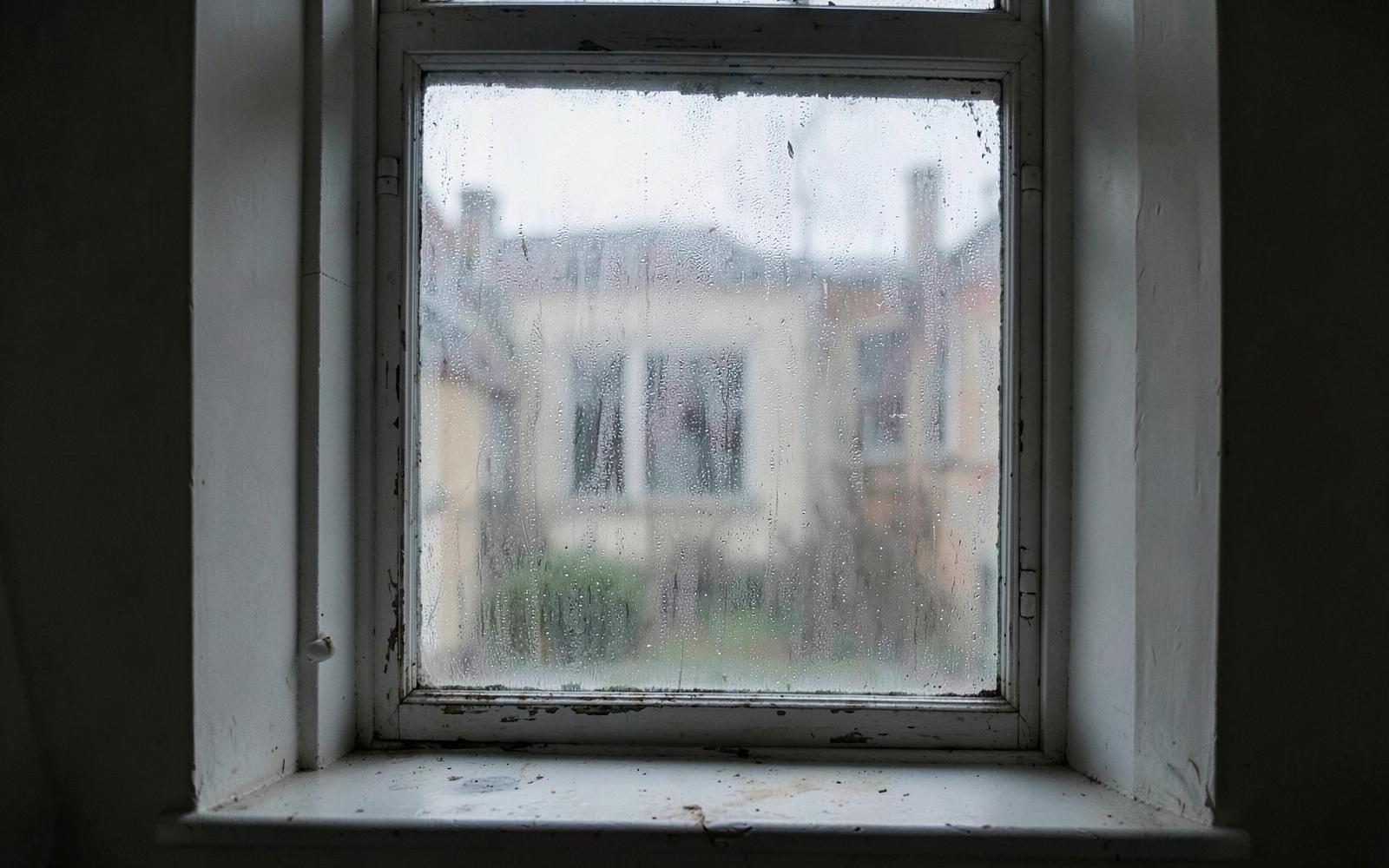
A single pane of glass is a poor insulator on its own — roughly five times worse than a modern double-glazed unit. What makes double glazing work is not the second sheet of glass but the still air sealed between the two. Secondary glazing film copies that principle for a few pounds: stretched tight across the frame, it holds a cushion of motionless air against the cold pane.
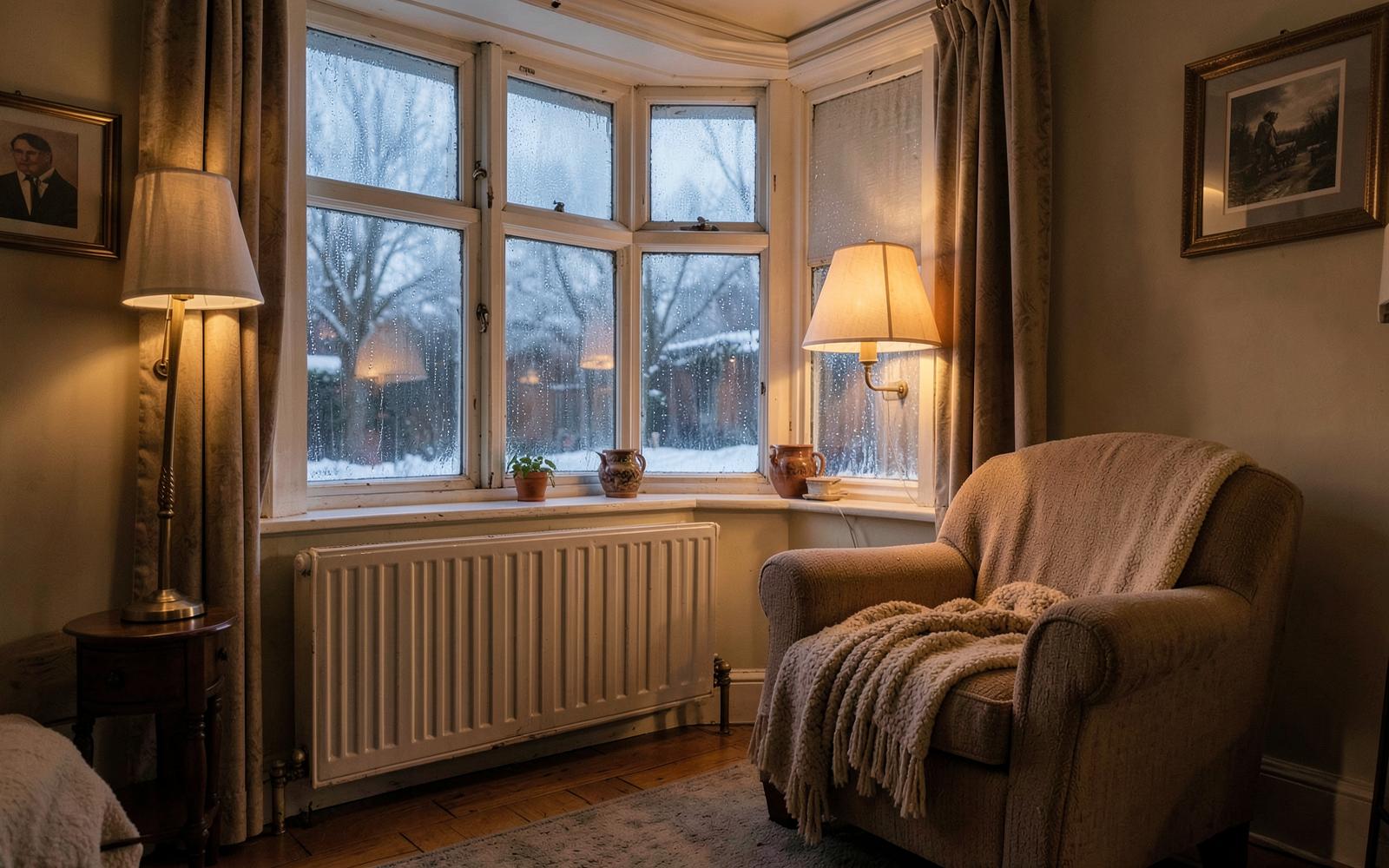
The side effects are the ones people notice first. Draughts around old sashes stop. The chilly downdraught you feel when you sit near a window disappears. And because the room-side surface is warmer, the morning condensation that soaks sills and feeds black mould largely stops forming.
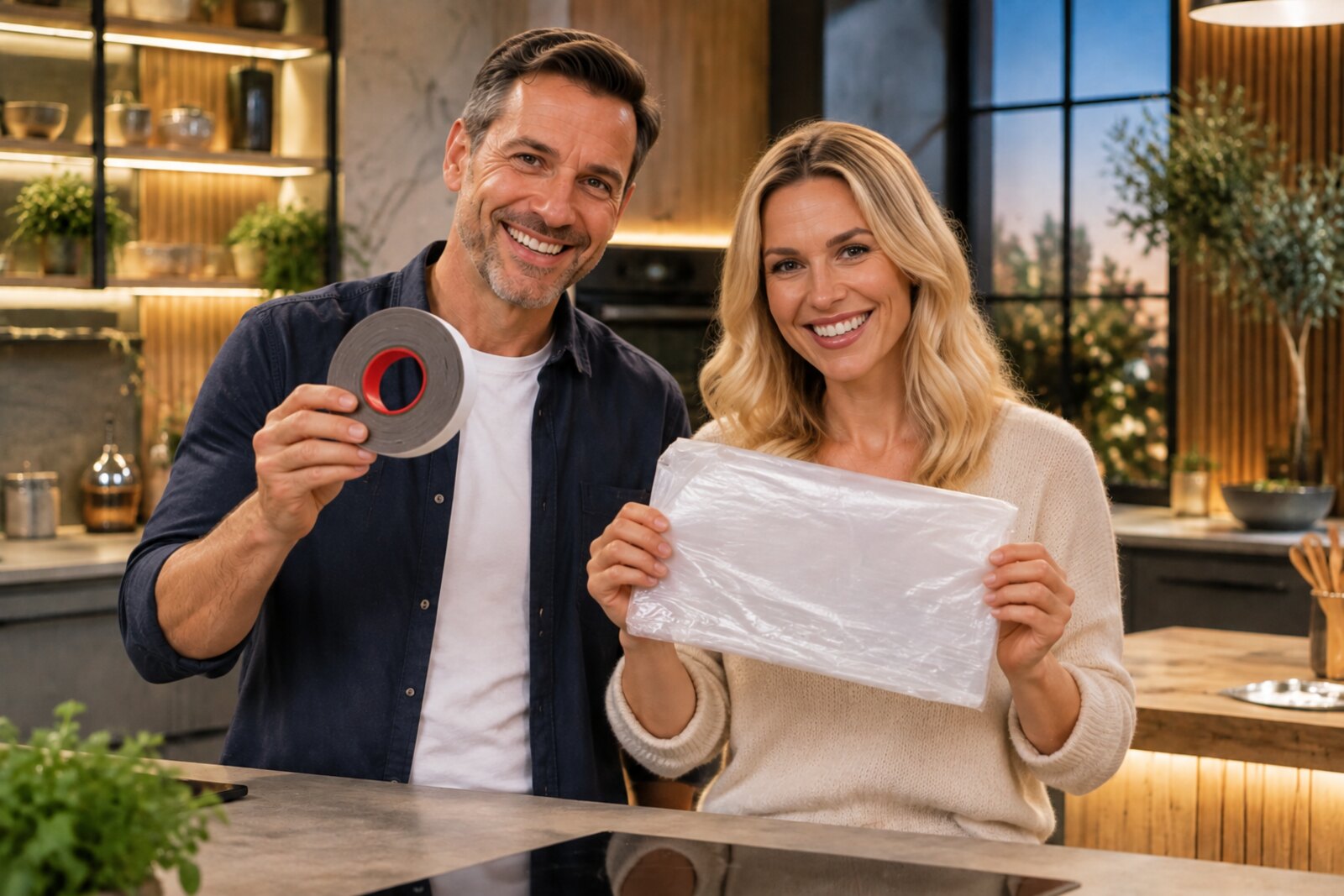
Wickes Seasonal Secondary Glazing Film — 6m² kit, tape included
See the 6m² film kit at WickesOpens wickes.co.uk · Price and stock shown on the retailer's site
What fitting it actually involves
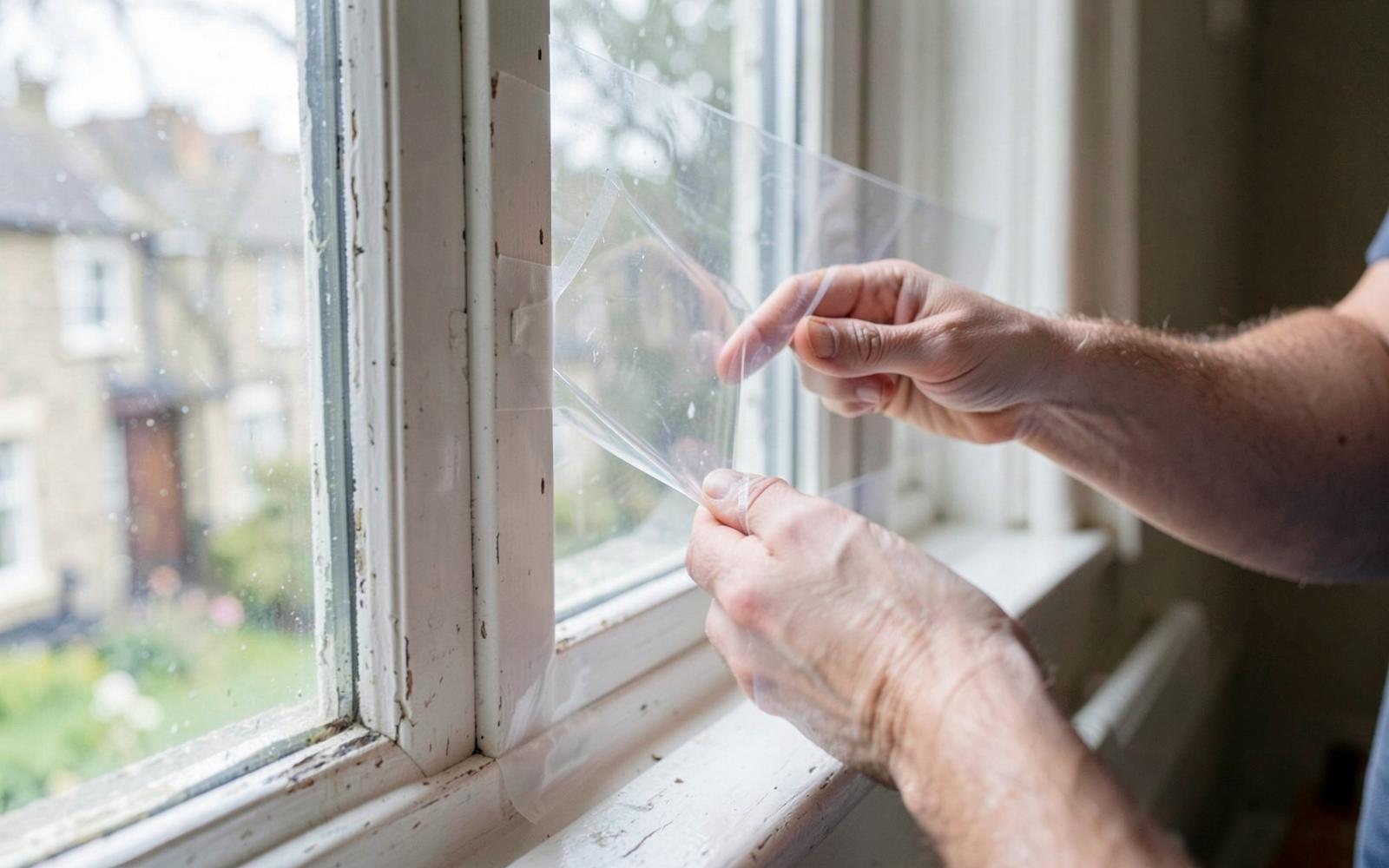
No tools beyond scissors, a tape measure and a hairdryer. The frame is wiped clean and left to dry, double-sided tape runs around the outside edge of the frame, and the film is pressed on while it is still slightly loose.
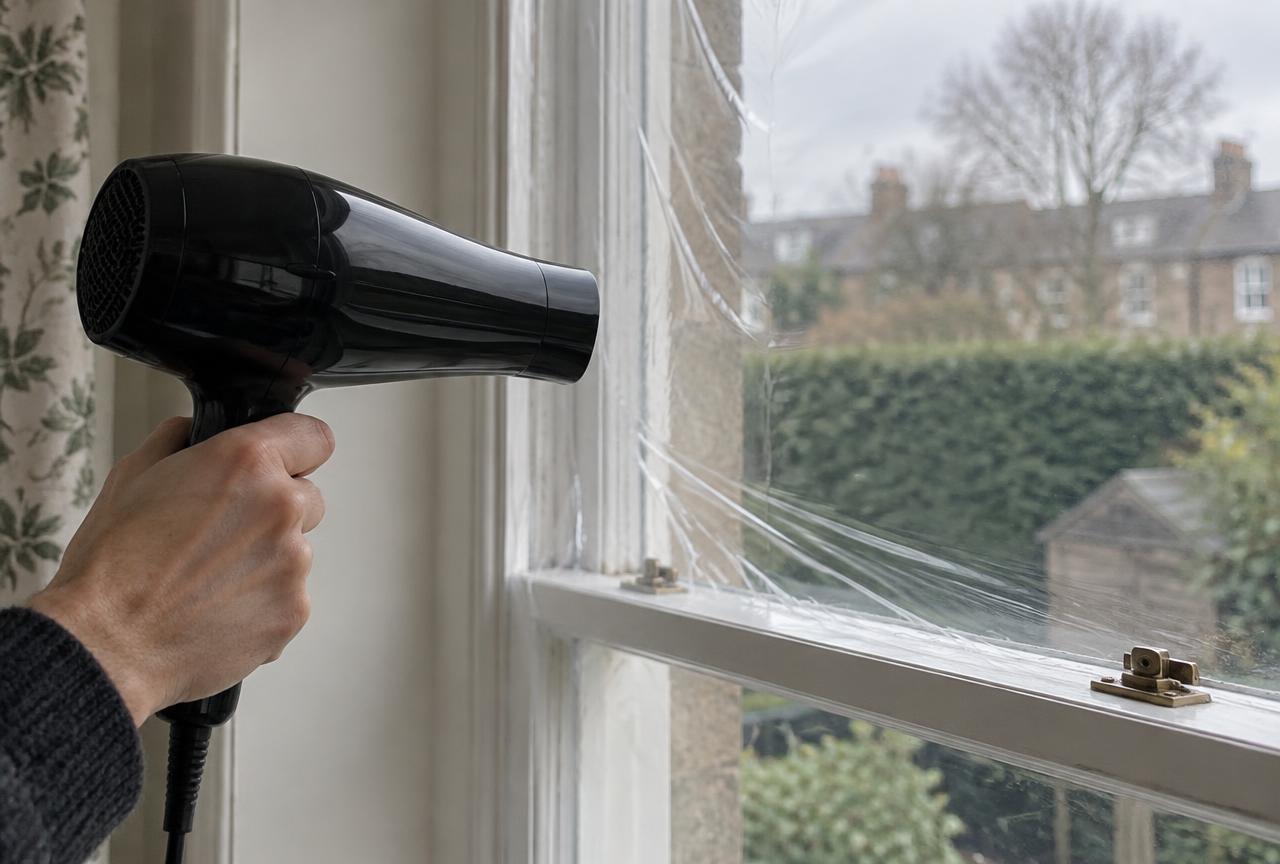
Then comes the step that surprises people. A hairdryer on a medium setting, held a few inches away and moved steadily across the sheet, shrinks the film until every crease pulls flat and it turns almost invisible. Trim the excess with a blade and the window looks untouched from a metre away.
A 6m² roll in practice
- Coverage: around three to four average windows, depending on frame size.
- Time: roughly 15–20 minutes per window once you have done the first one.
- Season: designed to go up in autumn and be peeled off in spring, tape and all.
- Where it works: single glazing, old timber sashes, tired metal frames, conservatories, rented flats and listed buildings where new units are not an option.
- Where it does not: windows you need to open daily through winter, and glass with existing broken seals.
Worth it? The honest version
Film is not a substitute for proper double glazing, and nobody should expect it to be. It will not cut outside noise much, and it takes the window out of use until spring. What it does do is remove the coldest surface in the room for the price of a takeaway, which in a hard-to-heat older property is usually the difference between heating the room and heating the street.
Wickes Seasonal Secondary Glazing Film — 6m² kit, tape included
Check availability at WickesOpens wickes.co.uk · Price and stock shown on the retailer's site
This article is a sponsored feature. Product details, pricing and availability are set by the retailer and shown on their website. Energy savings vary with the building, the glazing and how the home is heated.